Building in Public
I Built a Fancy Text Generator Without AI, APIs, or a Backend
Everyone is building AI tools. I wanted to see whether a tiny, free, browser-based utility could still attract organic traffic in 2026.
August 18, 20266 min read
AI is everywhere in 2026.
Almost every new product I come across seems to involve an AI model, an API, credits, subscriptions, or some kind of complicated backend infrastructure.
So I wanted to try something different.
Could I build an extremely simple web tool — one that doesn't need AI, doesn't need an API, doesn't need a database, and doesn't even require users to create an account — and still attract useful organic traffic?
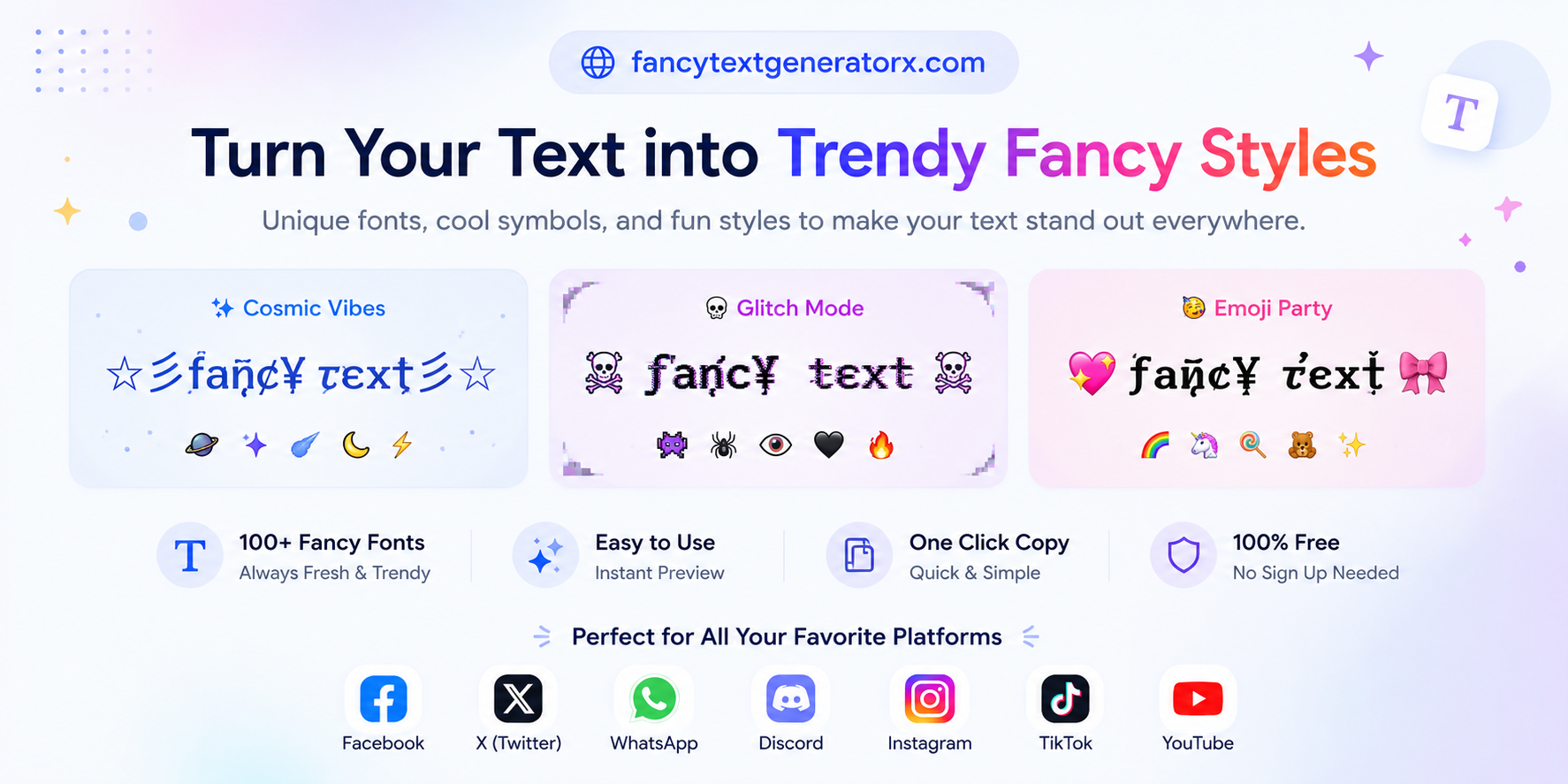
That's the experiment behind Fancy Text Generator X.
The Idea Is Almost Ridiculously Simple
Fancy Text Generator X does one thing.
You enter normal text, and the browser instantly turns it into dozens of different Unicode text styles that you can copy and use elsewhere.
For example, something as ordinary as:
Fancy Text
can become:
- 𝐅𝐚𝐧𝐜𝐲 𝐓𝐞𝐱𝐭
- 𝓕𝓪𝓷𝓬𝔂 𝓣𝓮𝔁𝓽
- 𝔉𝔞𝔫𝔠𝔶 𝔗𝔢𝔵𝔱
- Fancy Text
or something much more playful:
✨ 𝓕𝓪𝓷𝓬𝔂 𝓣𝓮𝔁𝓽 ✨
There is no image generation involved.
There is no AI involved.
Most of the magic is simply Unicode transformation happening directly in the browser.
Four Steps. That's Basically the Product.
I wanted the main experience to require almost no explanation.
1. Type
Enter whatever text you want to transform.
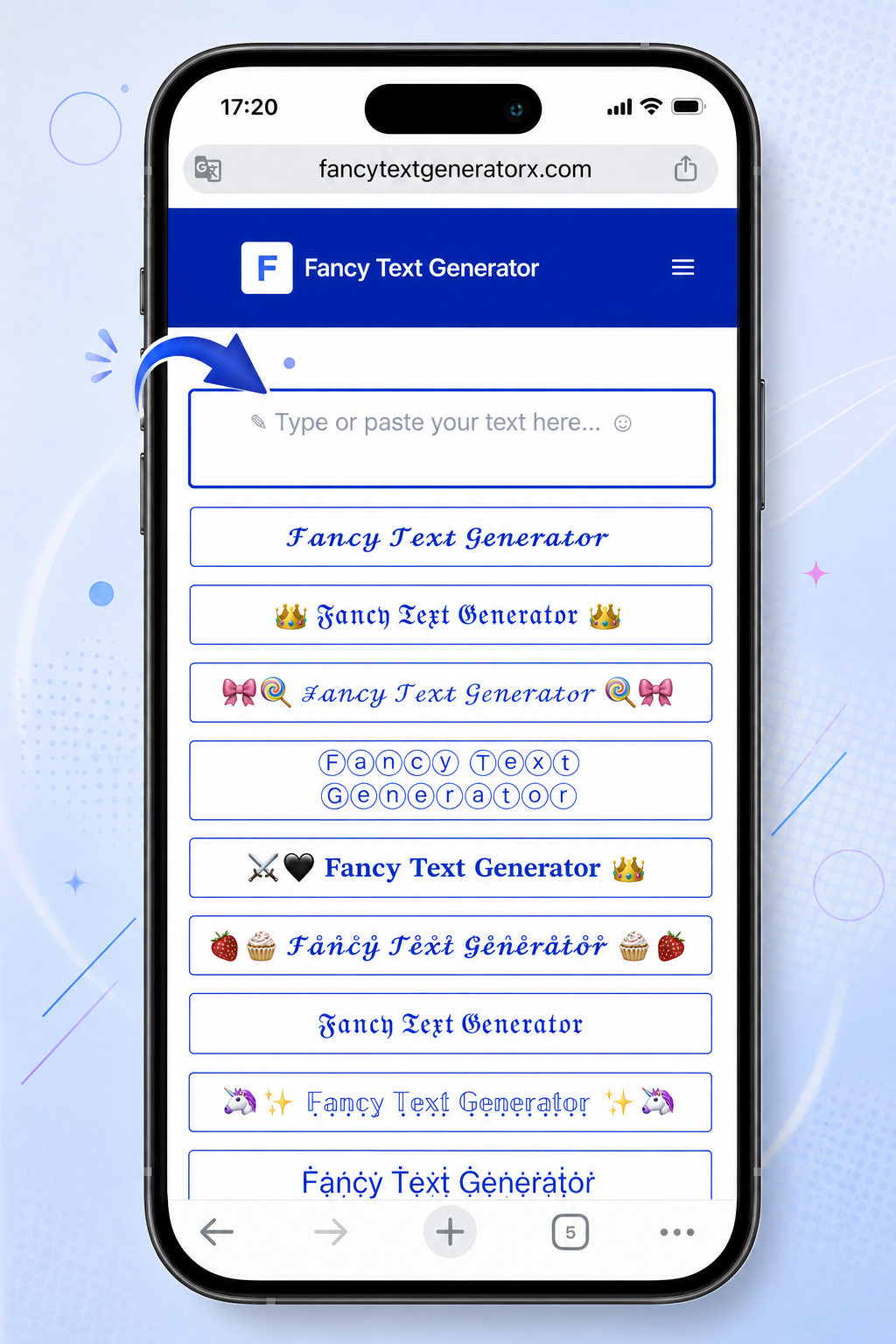
There is no Generate button and no waiting for a server response.
The results change as you type.
2. Browse
Scroll through the generated styles.
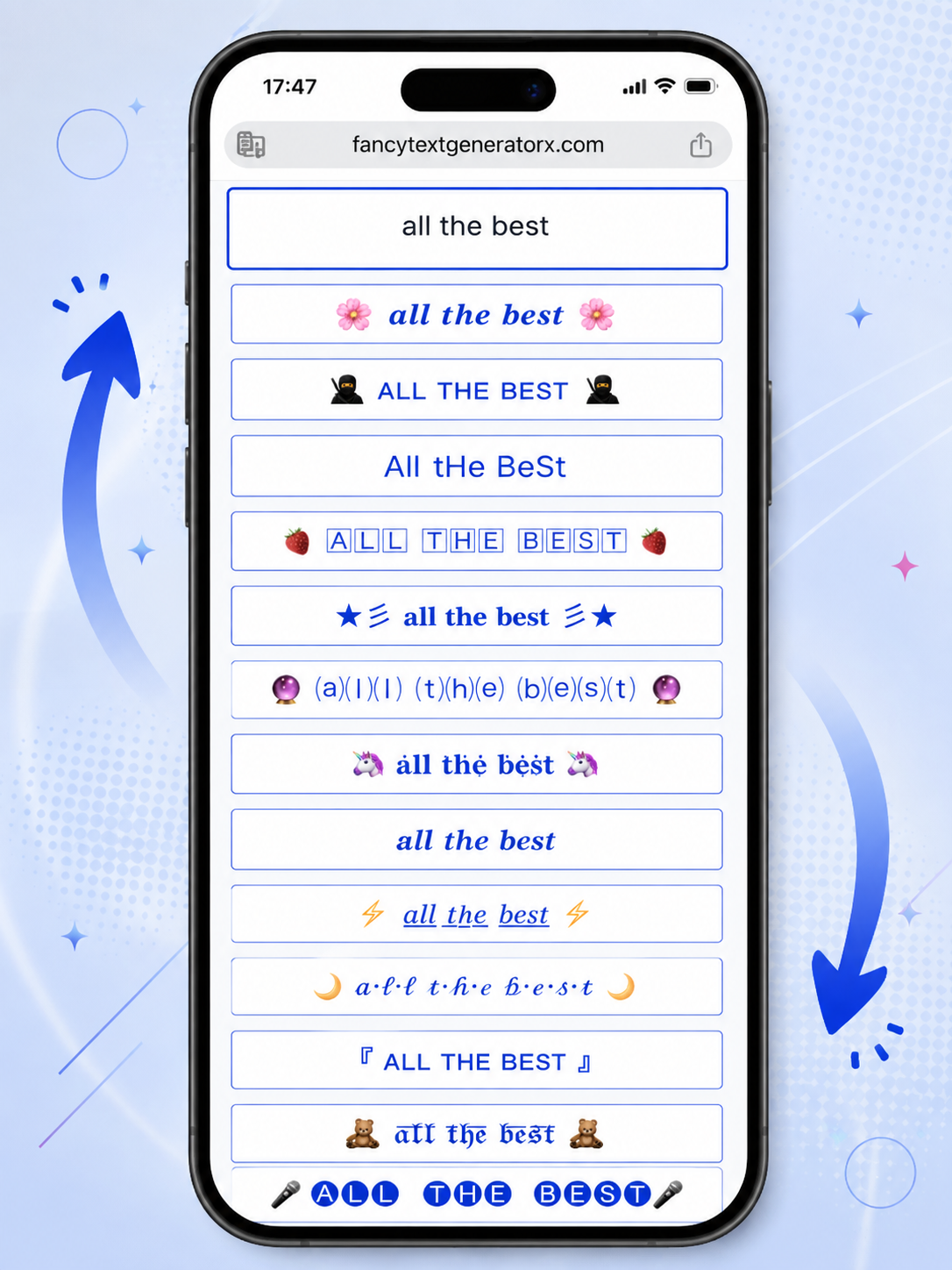
Some are bold.
Some are cursive.
Some are gothic.
Some are cute.
And some are deliberately weird.
The goal isn't to decide what the "best" font is for the user.
The goal is to give them enough variety that eventually something makes them stop scrolling.
3. Copy
Found one you like?
Copy it.
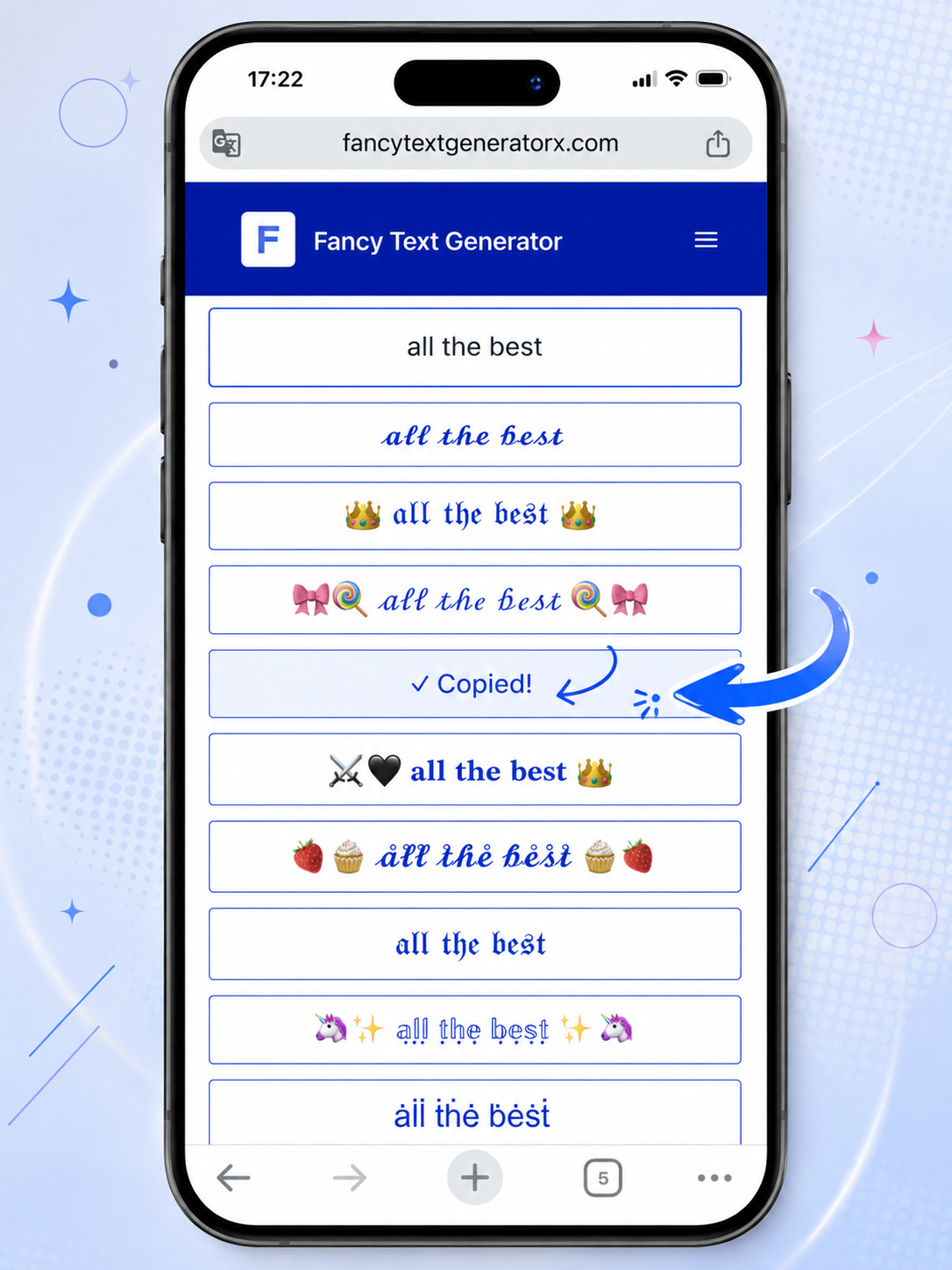
The interaction should take a fraction of a second.
No download.
No account.
No export screen.
No extra workflow.
4. Paste
Now paste the text wherever you actually wanted to use it.
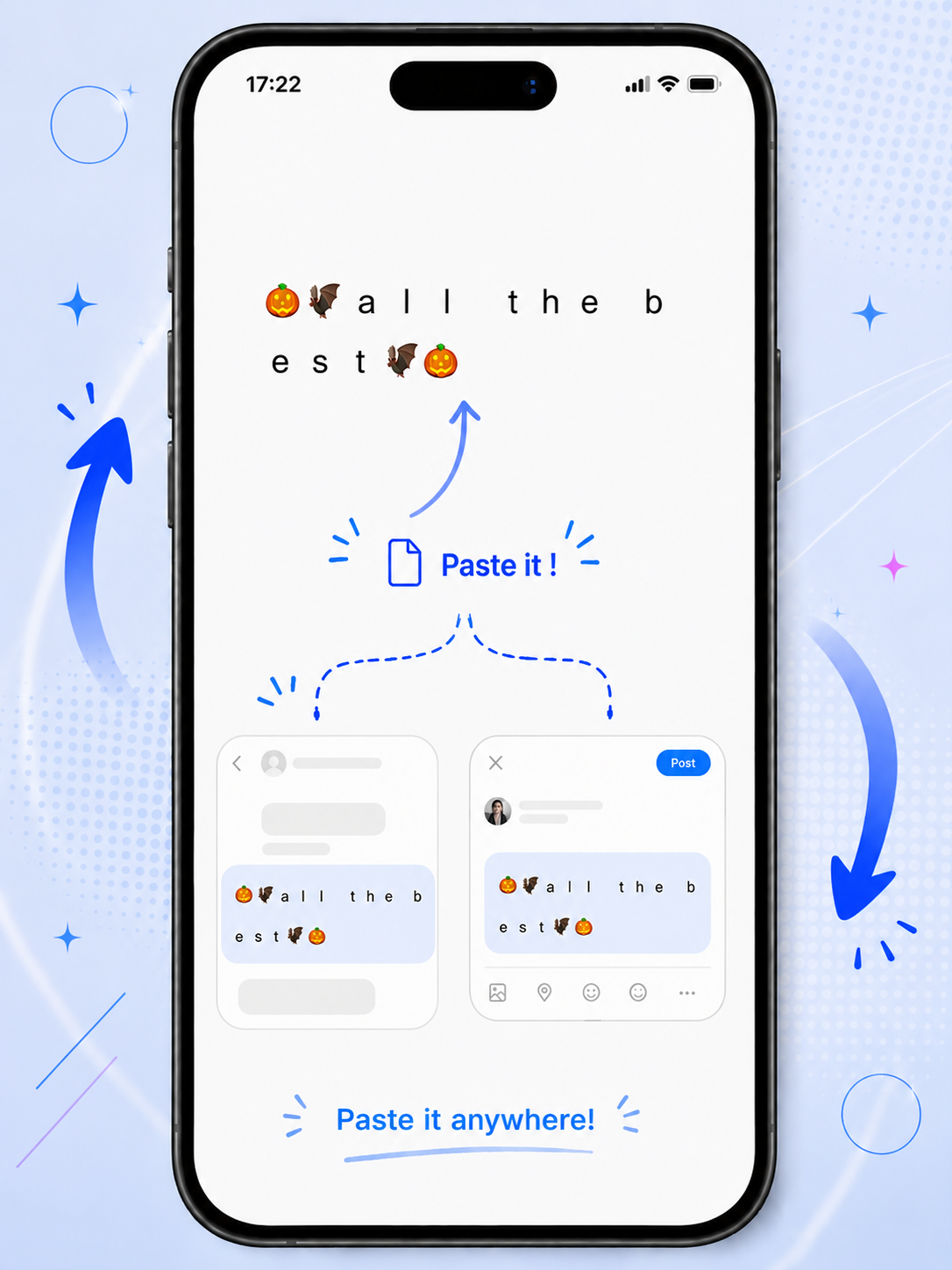
That might be an Instagram bio, TikTok profile, Facebook post, X username, YouTube description, Discord message, or somewhere completely different.
The tool's job is finished at that point.
Why Build Something This Simple?
This was actually the part I found most interesting.
As builders, we often assume that a product needs to be technically difficult to be valuable.
Users don't care.
Someone searching for a fancy text generator isn't evaluating my architecture.
They aren't asking whether I'm using the latest AI model.
They want to enter text, find a style they like, copy it, and leave.
That's it.
So instead of making the product more complicated, I tried to make those few actions as fast as possible.
No signup.
No onboarding.
No credits.
No AI generation queue.
No waiting.
The Technical Stack Is Almost Boring
That is intentional.
The core text transformations happen client-side using Unicode character mappings and formatting rules.
The generator therefore doesn't need an AI model for every request.
It doesn't need an external generation API.
It doesn't need a database to create the text.
It doesn't need user accounts.
And it doesn't need expensive compute infrastructure.
The browser does the important work.
That creates another interesting property:
the marginal generation cost is essentially zero.
If one person generates ten styles and another browses hundreds, I'm not paying an AI provider for hundreds of inference calls.
For a free utility that I hope can eventually attract meaningful search traffic, that matters.
Users Don't Always Search for the Product
They often search for where they want to use it.
While researching the space, I noticed that the generic term isn't the only interesting search intent.
People also look for things like:
Those searches describe the destination rather than the underlying technology.
So I created dedicated pages for several major social platforms.
Each page still provides the core text-generation experience, but the surrounding content and examples can better match what that user is actually trying to accomplish.
This is also part of the SEO experiment.
Can one simple underlying utility serve multiple highly specific search intents without turning into low-value duplicated pages?
That's something I want to learn from real traffic.
Making the Results Less Predictable
A page full of slightly different mathematical Unicode alphabets gets boring quickly.
People using this type of tool are often looking for something expressive.
Maybe elegant.
Maybe cute.
Maybe ridiculous.
So I also started experimenting with symbols and emoji decorations around the transformed text.
For example:
- 👑 𝓕𝓪𝓷𝓬𝔂 𝓣𝓮𝔁𝓽 👑
- ♡ 𝐹𝒶𝓃𝒸𝓎 𝒯𝑒𝓍𝓉 ♡
- ✨༺ 𝔉𝔞𝔫𝔠𝔶 𝔗𝔢𝔵𝔱 ༻✨
The goal isn't typographic perfection.
It's discovery.
I want users to keep scrolling until something makes them think:
"That's the one."
Building Was the Easy Part. Distribution Is the Experiment.
The actual generator is not technically difficult.
Getting people to discover it is much more interesting.
I'm currently experimenting with:
- Google organic search
- social-platform-specific landing pages
- useful content
- product directories
- indie maker communities
- social distribution
I'm deliberately not starting with paid acquisition.
I want to understand whether a tiny utility with clear search intent can gradually earn organic traffic.
And I'm keeping the first milestone deliberately small.
Not $10,000 MRR.
Not even revenue.
The first question is:
Can This Tiny Tool Reach 1,000 Organic Visitors?
If the answer is yes, I'll keep improving it.
I'll look at which styles people actually copy.
Which landing pages attract traffic.
Which queries Google starts showing the site for.
Which social use cases matter.
And which things I assumed users wanted turn out to be completely wrong.
That's much more useful to me right now than adding another twenty features.
What I'm Really Testing
This project is ultimately an experiment around a broader question:
In an AI-dominated internet, is there still room for extremely simple, focused web utilities?
I think there is.
Not every problem needs an LLM.
Not every product needs a subscription.
Not every website needs a complicated backend.
Sometimes the opportunity may simply be:
one small problem + one fast solution + good distribution.
Fancy Text Generator X is my attempt to test that idea.
If you're curious, try the generator and let me know what you think.
I'm particularly interested in feedback about the generated styles, the mobile experience, and which social-platform use cases would be worth improving next.
I'll keep documenting what happens as the experiment develops.
Try Fancy Text Generator X
Turn your normal text into stylish, weird, bold, cute, and unexpected Unicode styles — instantly and for free.
Generate Fancy Text →